
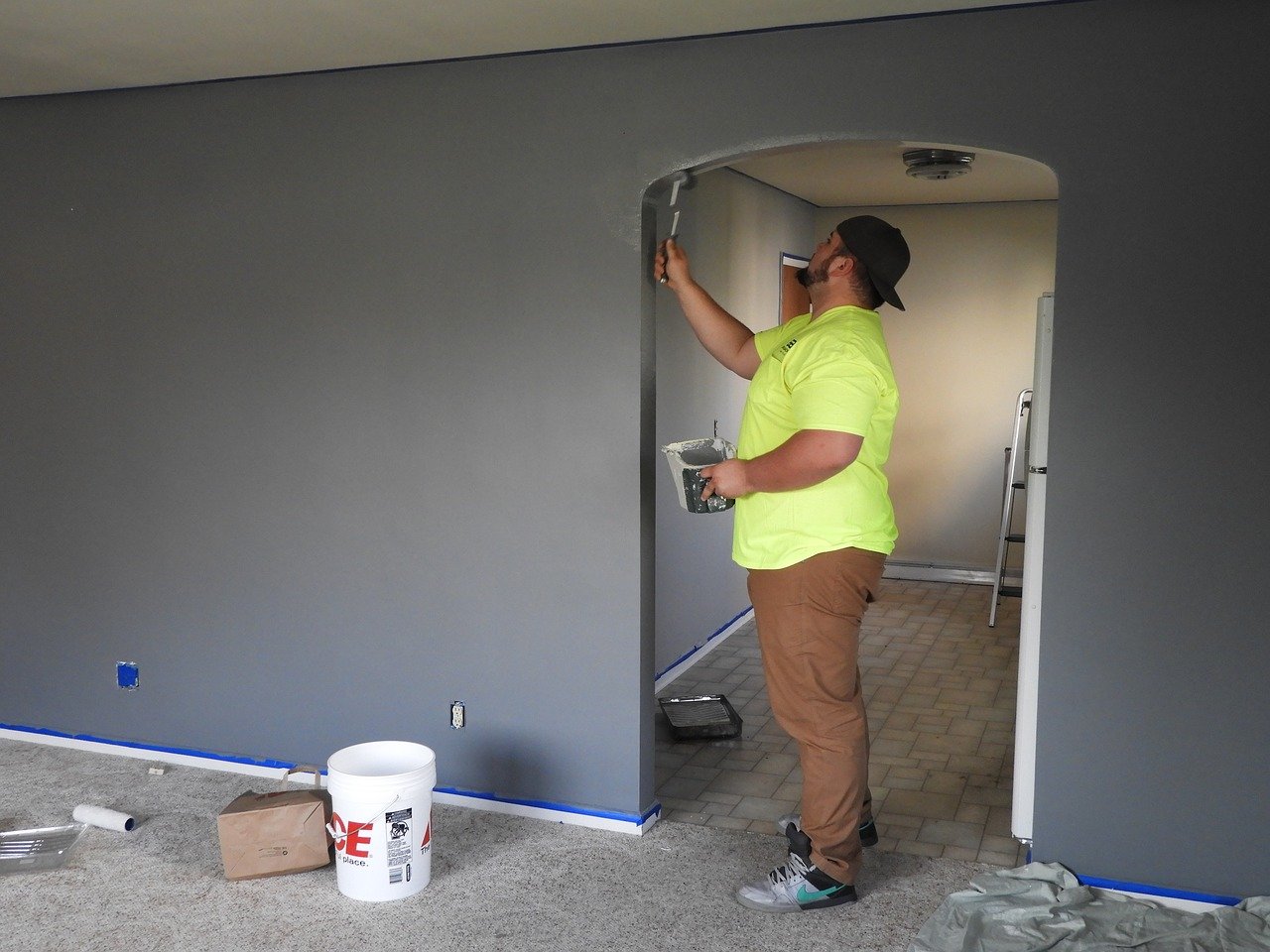
You can check this out to know more about the Warning Signs to Renovate Your Home by Mentalitch.com and things to consider when remodeling your house. Plan your renovation well and stick to your plans, as changing your ideas as you work could be costly and slow down your progress. Make sure you apply for and, if necessary, get permission for your project from the proper authorities before you begin work. You don’t want to have to undo a difficult job you are doing on a technicality.
Materials
 Take care of the daily chores and final decorating later. Consider all options when it comes to materials in general. You need to consider cost, longevity, and appearance. Wood floors are very popular and can look nice, but if you have children and pets, or if a place has a lot of traffic, laminate might be appropriate. You will also love the quality, durability, and consistency of modern laminate and vinyl flooring.
Size
Don’t try to take care of the whole house at the same time, and you should work on one place at a time. New homeowners, especially, will find this very easy to accomplish. Whether you’re measuring stairwell doors, kitchen cabinets, or simply rearranging furniture differently, measuring correctly is key. If the measurements are slightly off, it can mean that the elements won’t fit together properly and the result won’t look right. It is a good idea to buy more than you need and return biodegradable products.
Budget
 The trick to getting an expensive, professional-looking finish, even if you’re working with a limited budget, is to measure accurately and note all dimensions. Make sure that the larger fixtures fit the space. Always have a budget of materials and prices ready. You will want to have a rough idea of what you want to spend when you start the job but always be prepared.
Things can change and something can go wrong with any job, and if you run out of money before the job is done, a small problem could turn into a disaster. There are also breaking down and over-cutting materials to consider.
Structure
Think about hidden information. Saving on features that aren’t very visible can be a big mistake in the long run. Never rule out structural defects, such as cracked walls, as this could cause more work in the future. Issues like decent drainage, heating, and ventilation are crucial in many properties. Other details to consider include, for example, a quality floor underlayment or wallpaper, which can have legitimate benefits. Choosing underfloor heating instead of luxury carpeting can keep your feet warmer for longer.
Fixtures
These tools often come in handy later on. Don’t be afraid to remodel more durable fixtures, such as plumbing fixtures. Customizing your bathroom or kitchen countertop could have real benefits shortly that could offset the initial expense. You’ll be surprised at how easy it is to move a toilet or bathtub, and it could make a big difference in the feeling of distance. The latest trend doesn’t necessarily have to fit the layout of your home, and it doesn’t always make sense. Always examine and consider the heritage and overall structure of the assumptions.
Design
 Some design concepts don’t fit all homes. You will also find that if you stick too closely to new trends, you’re likely to shorten the lifespan of a feature, as trends change quickly and you may end up with something that suddenly looks dated long after completion. Choosing the wrong color or wood care product can cause problems and require periodic touch-ups.
Doors and windows need to be installed correctly and maintained over time to last as long as possible. It doesn’t necessarily pay to go with the cheapest deal. This applies to furniture, textiles, tools, and contractors. Granite countertops can be fantastic, but you should look around and consider less expensive options as well.