
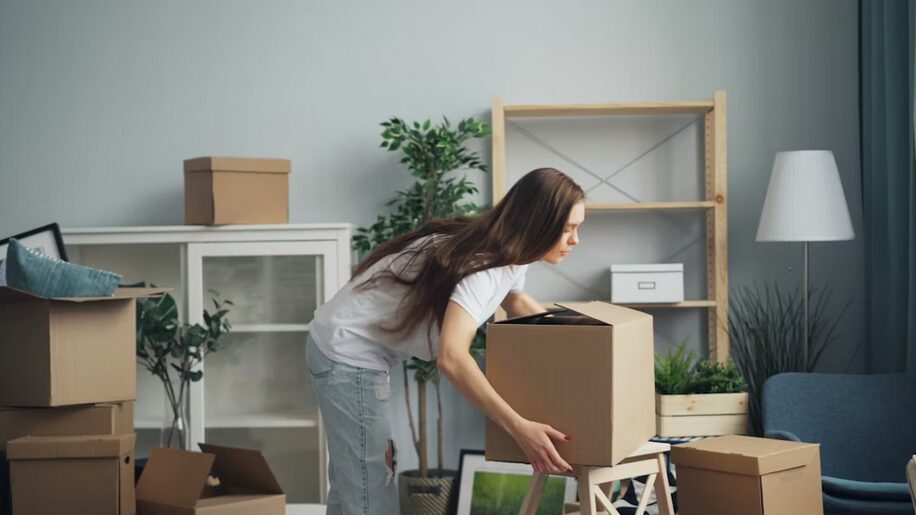
Moving into a smaller home can feel challenging at first. Space becomes limited, and every item must have a purpose. Whether you are hiring a man and van in Sutton or handling the move yourself, this transition often requires a shift in mindset. It is no longer about how much you can fit, but how well you can organize. With proper planning, a smaller home can still feel comfortable and functional. The key is to use space wisely and avoid unnecessary clutter from the start.
Assess and Reduce Your Belongings
Before moving, take time to evaluate what you truly need. Downsizing begins with reducing excess items. Go through each room and sort your belongings carefully. Items that no longer serve a purpose should be donated, sold, or discarded. Keeping too many things will make a smaller home feel crowded. Focus on essentials and meaningful items. This step helps create a cleaner and more manageable living space. It also reduces moving costs and effort. A well-planned reduction process sets the foundation for better organization later.
Choose Multi-Functional Furniture
Furniture plays a major role in space management. In a smaller home, every piece should serve more than one function when possible. A sofa that converts into a bed or a table with storage underneath can make a big difference. Multi-functional furniture helps maximize limited areas without adding clutter. It allows you to use the same space for different purposes throughout the day. This approach supports a more flexible living environment. It also reduces the need for extra items that take up valuable space.
Maximize Vertical Space
When floor space is limited, look upward. Vertical space is often underused but highly valuable. Shelves, wall-mounted cabinets, and hooks can help store items without occupying the floor. Using walls effectively creates more room for movement. It also keeps items within reach while maintaining order. Tall storage units can hold many items in a compact footprint. This method helps maintain a clean and organized appearance throughout the home.
Organize Storage Strategically
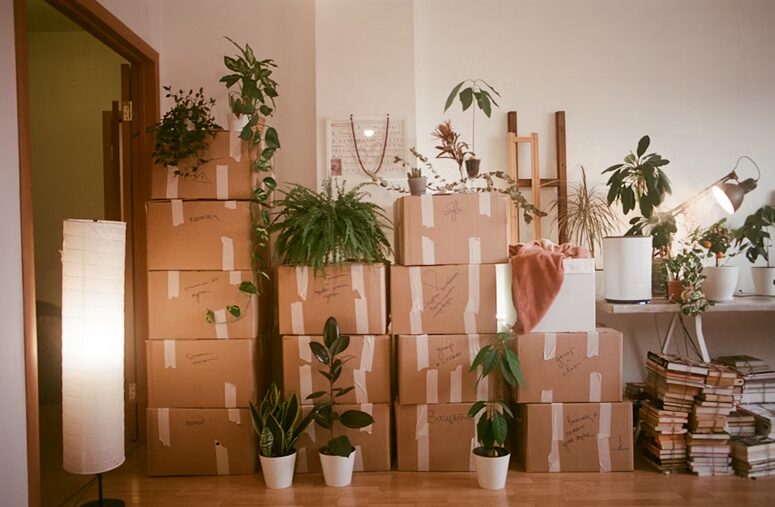
Storage should be planned with intention. Random placement of items leads to clutter and wasted space. Instead, group similar items together and assign them to specific areas. Use storage containers that fit well within your available space. Stackable options can increase capacity without spreading items around. Labeling containers also helps you locate things quickly. Keeping storage organized reduces daily stress and saves time. Closets and hidden spaces should not be overlooked. Under-bed storage and built-in compartments can hold items that are not used often. Making full use of these areas helps maintain balance in smaller living spaces.
Maintain a Clutter-Free Environment
Living in a smaller home requires consistent upkeep. Clutter can build up quickly if not managed regularly. Make it a habit to review your belongings from time to time. Remove items that are no longer needed. Keeping surfaces clear helps create a sense of openness. Even small spaces can feel larger when they are well-maintained. Daily habits, such as putting items back in their place, make a big difference. A clutter-free environment supports both comfort and efficiency.
Adapt Your Lifestyle to the Space
Adjusting to a smaller home involves more than physical changes. It also requires a shift in daily habits. Being mindful of what you bring into your home helps prevent overcrowding. Focus on quality rather than quantity. Choose items that add value to your living space. This approach creates a more intentional and organized lifestyle. Over time, it becomes easier to maintain balance. A smaller home can offer a sense of simplicity. With fewer distractions, it becomes easier to focus on what matters most. This lifestyle change can lead to a more relaxed and manageable routine.
Moving into a smaller home does not mean sacrificing comfort. With the right strategies, limited space can still feel functional and inviting. Reducing belongings, choosing smart furniture, and organizing effectively all contribute to a smoother transition. Consistent habits also play an important role in maintaining order. By making thoughtful decisions, you can create a living space that supports both practicality and comfort.