
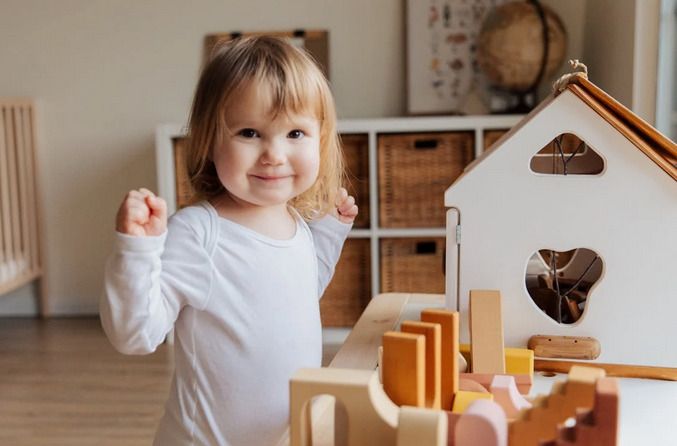
Blending learning spaces into a child’s bedroom doesn’t have to mean sacrificing comfort or fun. When seeking ideas on how to design a kid-friendly room, a study area can complement the rest of the room and become a space where creativity and focus thrive. Whether your child is starting school or already juggling homework and hobbies, a well-designed learning corner can encourage better study habits and foster a love for learning—all within the cozy comfort of their room.
Start With the Right Location
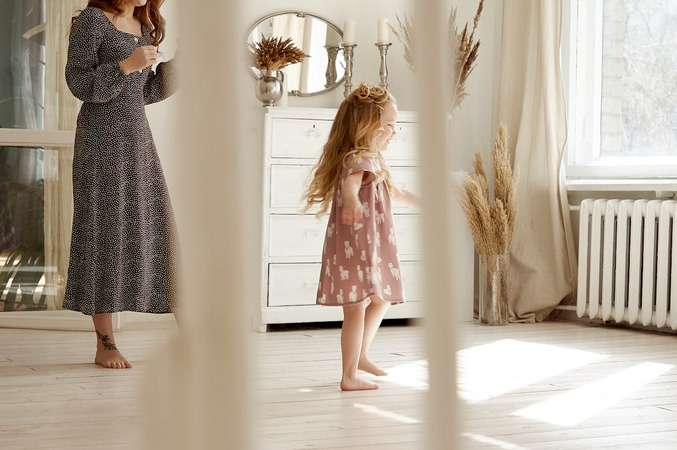
Every great learning space begins with smart placement. Look for a quiet corner of the room away from distractions like the bed or toy bins. If possible, choose a spot near a window to take advantage of natural light, which helps reduce eye strain and boost concentration. Even in small rooms, a slim desk or floating shelf can provide just enough space for focused activities.
Choose Comfortable and Functional Furniture
The foundation of any good study zone is a desk and chair that fit your child’s size and needs. Choose an adjustable chair with back support and a desk with room for books, supplies, and a reading lamp. If space is limited, consider multi-use furniture like a fold-down wall desk or a small table that doubles as a craft station. Prioritizing comfort encourages kids to spend time at their desks without fidgeting or straining.
Incorporate Smart Storage Solutions
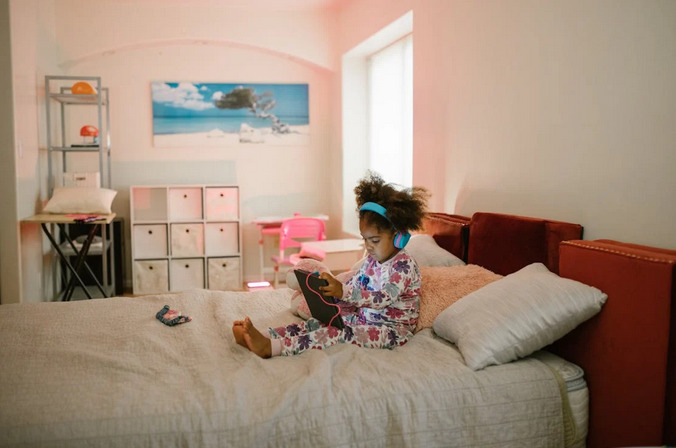
Clutter can make even the best learning environment feel overwhelming. Use small drawers, caddies, or shelf bins to organize school supplies, papers, and learning tools. Labeling drawers and containers can also help your child stay organized and take responsibility for their workspace. Wall organizers and pegboards are another great way to save space while keeping materials visible and within reach.
Add Visual Interest and Learning Tools
Make the space visually inspiring by incorporating educational decor. Wall maps, alphabet posters, or a chalkboard can all blend naturally into the room’s aesthetic while serving a practical purpose. Use corkboards or magnet boards for rotating schoolwork, schedules, or positive affirmations. Even a small bookshelf with age-appropriate reads helps create a learning-friendly vibe without taking up much room.
Keep the Environment Flexible
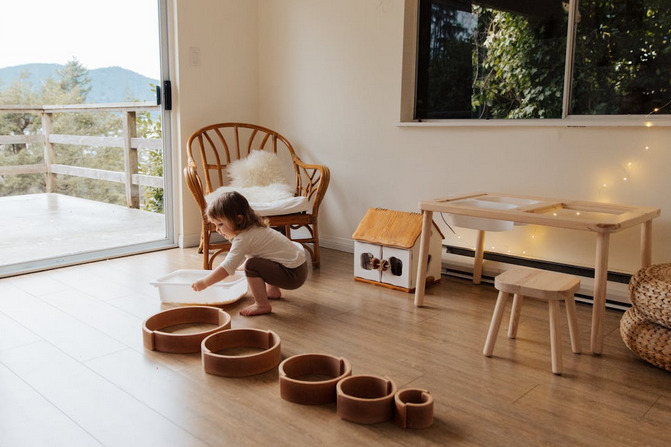
A child’s learning needs evolve quickly, so create a space that can adapt to them. Opt for neutral furniture that works across age groups and update supplies or decorative touches as interests change. If you have multiple kids sharing a room, give each child a personal workspace—even if it’s just a shared desk with color-coded supplies or drawer dividers.
Balance Study With Comfort
While focus is the goal, comfort should not be overlooked. Add a cozy chair or beanbag nearby for reading, or hang string lights to give the space a warm, inviting glow. This helps create a more relaxed, positive association with learning, which is especially important for kids who might resist homework time.
Incorporating a learning space into your child’s room doesn’t have to be complicated or disruptive to the room’s design. With a thoughtful setup, comfortable furniture, and smart storage, you can create a study-friendly zone that blends seamlessly with the rest of the space. When kids have a dedicated area that supports both focus and creativity, it sets the stage for better habits—and a deeper love of learning that lasts well beyond the classroom.