
It’s always nice to have a home that won’t get scorching hot during the summer months and freezing temperatures when winter comes. The key is to insulate your home properly as it is implied here at news.de/panorama/857062070/nachhaltiges-bauen-umweltbewusste-materialien-und-energieeffiziente-loesungen/1/. But, relying on your HVAC won’t do the trick, especially knowing the electricity costs that won’t go down. So what should we do? We’re here to help you with our best sustainable landscaping strategies that can do just that.
Beat Summer Heat by Planting Deciduous Trees
When the summer heat is on, it can be a struggle to keep your home cool without cranking up the air conditioner and sending your energy bills skyrocketing. But fear not! Mother Nature has provided us with a simple and beautiful solution: deciduous trees. By strategically planting deciduous trees around the west, southwest, south, southeast, and east sides of your home, you can create natural shade that will help shield your house from the scorching sun.
These leafy wonders provide much-needed relief by blocking direct sunlight from entering through windows and heating up your living spaces. But why specifically place them on these sides? Well, by targeting these areas, you’re effectively minimizing exposure to intense afternoon sun (west), hot winds (southwest), and harsh morning rays (east), as well as deflecting excessive sunlight throughout most of the day (south).
Combat Chilly Winter Winds by Growing Evergreen Trees
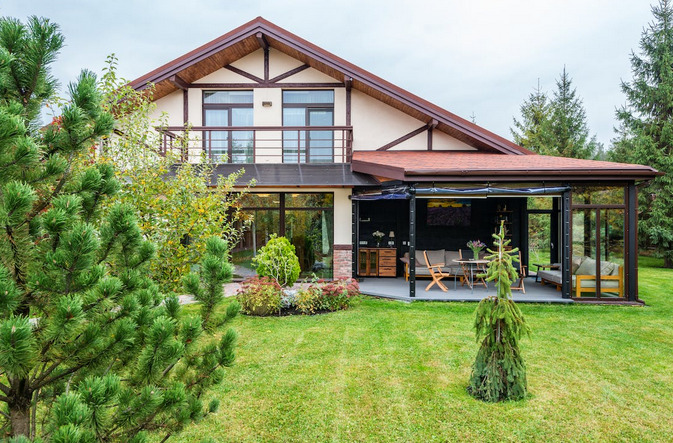
Despite all the charming nature and spectacular festivals, winter also means cold winds that can make your home feel drafty and chilly. Fortunately, there’s a natural solution to combat those winter winds – evergreen trees. These majestic trees not only provide year-round beauty but also act as a barrier against harsh winds.
If you plant evergreen trees on the west and north sides of your home, you can create a shield that blocks the brunt of winter gusts. The dense foliage of these trees acts as a windbreak, redirecting the flow and protecting your house from strong drafts. Plus, their thick branches can help trap heat near your windows, providing additional insulation during those frosty months.
Improve Your Home Insulation by Growing Vines
Did you know that vines can act as a natural barrier against heat loss and gain, helping to regulate the temperature inside your home? That’s true. When strategically placed on exterior walls, vines can provide an additional layer of insulation, reducing the transfer of heat or cold into your living spaces. The thick foliage acts as a shield, blocking out the harsh elements and keeping your home more comfortable year-round.
Not only do vines help with insulation, but they also add beauty and character to your property. I mean, who doesn’t admire those lush green leaves cascading down the side of your house or vibrant flowers blooming along trellises? It creates a visually appealing landscape while providing practical benefits at the same time.
So let’s wrap things up. Incorporating energy-efficient landscaping techniques not only helps reduce your carbon footprint but also saves you money on utility bills. Not only will it give such benefits, but it will also add beauty and value to your property. With these tips in mind, you’re ready to create a more sustainable future while enjoying all the comfort and savings that come with it.