
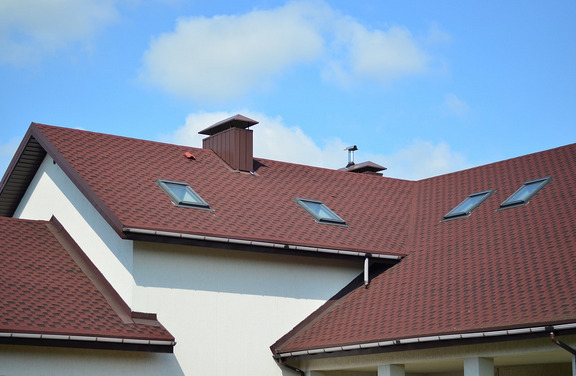
When it comes to roof installation, one size does not fit all. The climate of your region plays a crucial role in determining the best roofing materials and techniques for your home. Roof Installation experts can help you find the best options for your home. Ignoring your local climate can lead to costly repairs, reduced roof lifespan, and even safety hazards. Here’s why considering your region’s climate is essential when planning roof installation services:
Enhancing Durability and Longevity
The durability of your roof largely depends on its ability to withstand the specific weather conditions it will face throughout the year. For instance, in areas with heavy snowfall, a steeply pitched roof and materials that can bear the weight of snow are crucial to prevent structural damage. On the other hand, in regions with high heat and sun exposure, reflective materials that resist UV damage will extend the roof’s lifespan. By choosing roofing solutions tailored to your climate, you can ensure that your roof lasts longer and performs better.
Improving Energy Efficiency

Your roof is a significant factor in your home’s energy efficiency, and the climate is a major consideration in choosing energy-efficient roofing options. In hot climates, roofs made from materials like metal or tile that reflect sunlight can help reduce cooling costs by keeping your home cooler. In colder regions, roofs with good insulation properties can prevent heat loss, keep your home warm, and reduce heating expenses.
Preventing Weather-Related Damage
Each climate presents its own set of challenges, whether it’s high winds, heavy rains, or extreme temperature fluctuations. For example, in hurricane-prone areas, wind-resistant materials and installation techniques are critical to prevent roof damage. In regions with frequent rain or humidity, materials that resist moisture and mold growth are essential. By taking your region’s specific weather conditions into account, you can protect your home from common weather-related issues like leaks, mold, and structural damage.
Ensuring Compliance With Local Building Codes
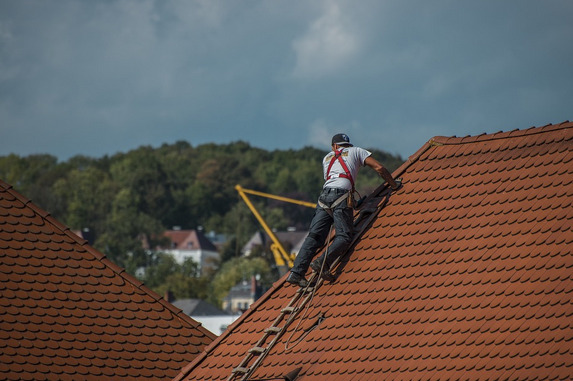
Local building codes often reflect the climate challenges of a region, outlining specific requirements for roofing materials and construction methods. For instance, areas prone to wildfires may have regulations requiring fire-resistant roofing materials, while regions with heavy snowfall might have codes regarding snow load capacity. Working with a roofing contractor familiar with local codes ensures that your roof installation is compliant, avoiding potential legal issues and ensuring your roof meets safety standards.
Enhancing Curb Appeal and Property Value
The climate also influences the aesthetic appeal of your roof, which in turn affects your home’s curb appeal and property value. Certain roofing materials, such as clay tiles, are more common in specific climates and can complement the architectural style of homes in the area. Additionally, a roof that is well-suited to the local climate will not only perform better but also look better over time, as it is less likely to suffer from weather-related wear and tear. Choosing the right roof for your climate can enhance your home’s appearance and boost its market value.
When planning a roof installation, taking your region’s climate into account is essential for ensuring durability, energy efficiency, and overall performance. By selecting materials and techniques that suit your local weather conditions, you can protect your home, save on energy costs, and enhance its value.