
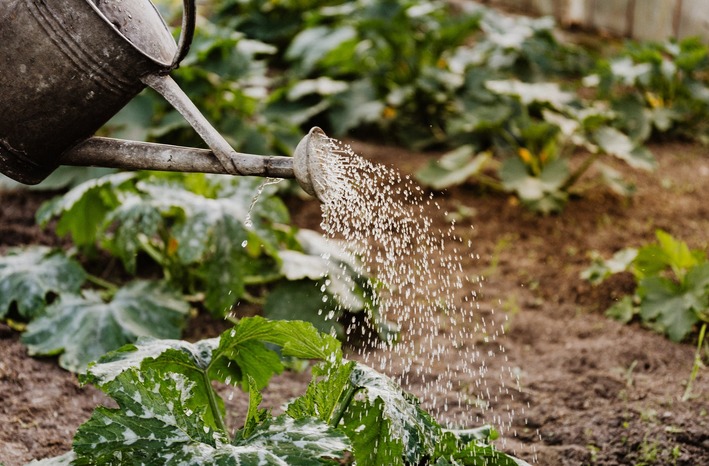
Growing a garden is a great way to save money and provide yourself with fresh vegetables, but it takes work. One of the most important parts of gardening is watering your plants. You can take some steps to make sure that they get enough water without drowning them. This blog post will discuss tips for better watering your garden
Focus On the Root Zone
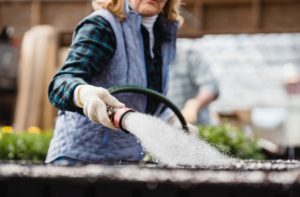 Watering your plants properly is essential for the health of your garden. Plants need water to grow, but there are different ways to provide it to them. One way is through irrigation systems like sprinklers or drip lines. The other method, which many people prefer because it conserves water and helps save money, involves watering by hand. Focusing on the root zone is essential when watering your plants by hand. The root zone is the area of soil where the roots of a plant are located. This is typically about six inches below the surface of the soil.
Mulch Everything
Mulching is an excellent way to conserve water and protect your plants. You can apply mulch directly to the area around your plant or add it in between rows of other plants. Either method will help cut down how much water evaporates from the soil by providing a barrier against excess heat and sunlight. Mulch also helps to keep the soil moist by retaining moisture. There are many different types of mulch that you can use, such as straw, leaves, or bark.
Water Only When Needed
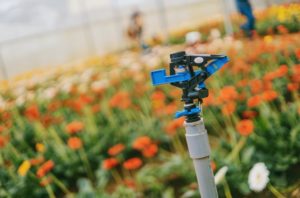 The best way to water your plants is by using the right amount of water at the right time. This means watering only when needed and not overwatering. Overwatering can be just as harmful to plants as underwatering.
It can cause root rot, which will kill the plant. The best way to tell if a plant needs water is to check the soil. The top of the ground should be dry before you water it again. Another way to tell if a plant needs water is to look at the leaves. If they are wilted, then the plant needs water.
Use the Right Tool For the Job
When watering your plants, it is vital to use the right tool for the job. This means using a garden hose with a spray nozzle for large areas and a watering can or bucket for smaller sizes. You can also use a drip irrigation system if you have one. When using a sprinkler, be sure to adjust it so that the water is hitting the plants and not going down the street or driveway.