
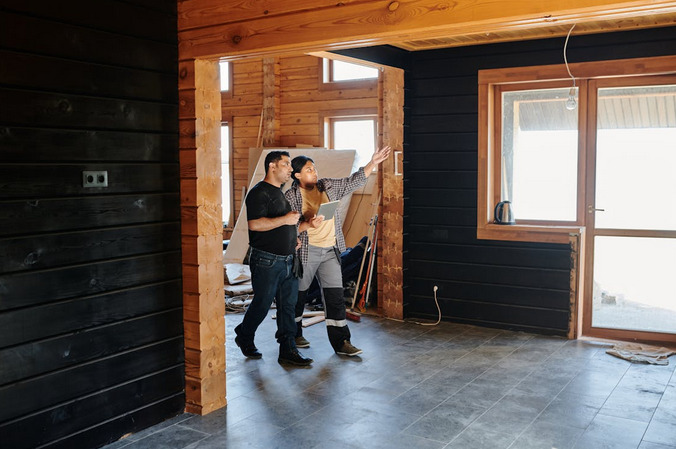
The construction industry, known for its traditional practices, is experiencing a wave of innovative building methods promising efficiency, sustainability, and cost-effectiveness. Despite the potential benefits, many home constructors remain hesitant to adopt these new techniques. Blauarbeit especially mentions that staff shortages affect the construction process, which can lead to poor results. Not all contractors and builders, especially those with experience in the industry, wish to abandon the techniques and methods they’ve perfected.
Nonetheless, the example above is just one of the minor reasons new construction techniques aren’t often used. Understanding why there’s reluctance is crucial for stakeholders aiming to foster innovation in the sector. Check out these factors explaining why some home constructors avoid new building methods.
Familiarity With Traditional Practices
One of the primary reasons home constructors avoid new building methods is a strong preference for familiar practices. Traditional building methods are well-understood, having been honed over decades, if not centuries. These methods come with established procedures, predictable outcomes, and reliable craftsmanship standards. Constructors, especially those with long-standing careers, often feel more comfortable sticking with what they know, fearing that new methods may not deliver the same level of reliability or may introduce unforeseen issues.
Initial Costs and Investment
Innovative building methods often require a significant upfront investment in new technologies, materials, and training. The cost of acquiring advanced equipment, such as 3D printers, drones, or modular construction systems, can be prohibitive for smaller construction firms. Additionally, training staff to proficiently use these new technologies involves both time and money. Many constructors are concerned about the return on investment, uncertain whether the long-term benefits will outweigh the initial expenses. In an industry where profit margins can be thin, this financial risk can be a strong deterrent.
Resistance to Change
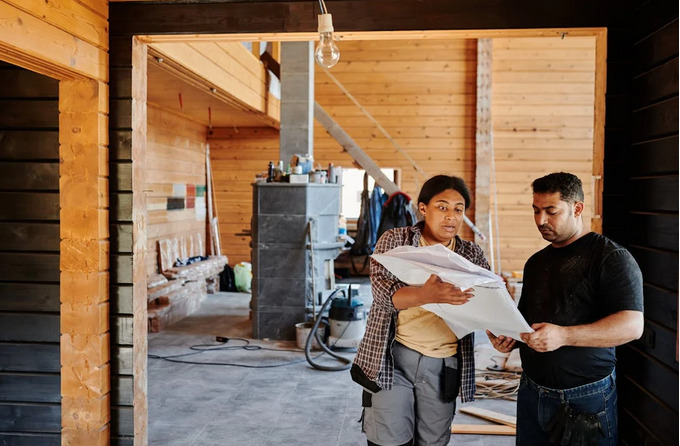
Resistance to change is a common human trait, and the construction industry is no exception. Constructors may resist new building methods due to a variety of psychological factors, including fear of the unknown, comfort with routine, and skepticism about unproven technologies. This resistance is often reinforced by a culture that values tried-and-true methods and may view innovation with suspicion. Overcoming this cultural inertia requires not just demonstrating the effectiveness of new methods but also fostering an open-minded approach to change within the industry.
Regulatory and Code Compliance
New building methods often lack the extensive track record needed to be fully integrated into these regulatory frameworks. Constructors may be wary of adopting techniques that could complicate compliance with local building codes or result in delays due to additional inspections and approvals. Until regulations catch up with innovations, constructors prefer to avoid potential legal and bureaucratic complications.
Supply Chain and Availability
Issues related to supply chain and material availability can hinder the adoption of new building methods. Innovative materials and technologies might not be readily available in all regions, making it difficult for constructors to procure the necessary resources. Additionally, the supply chain for traditional materials is well-established and reliable, whereas new methods might face logistical challenges, such as longer lead times and inconsistent supply. This uncertainty can make constructors reluctant to rely on new methods for fear of project delays and increased costs.
Client Demand and Perception
Client demand plays a crucial role in the construction industry. Many clients, whether homeowners or developers, prefer familiar construction techniques that they perceive as reliable and proven. Educating clients about the benefits of new building methods can be challenging, and constructors might find it easier to meet client expectations by sticking to traditional approaches. Moreover, clients may be wary of potential risks associated with untested methods, further discouraging constructors from pursuing innovative techniques.
While new building methods in home construction offer numerous potential benefits, several factors contribute to the reluctance of many constructors to adopt them. Familiarity with traditional practices, initial costs, resistance to change, regulatory compliance, supply chain issues, and client perceptions all play significant roles. Overcoming these obstacles necessitates a collaborative effort to demonstrate the dependability, cost-effectiveness, and long-term benefits of novel solutions. Addressing these problems and cultivating an innovative culture can help the construction sector adapt to more efficient and sustainable building techniques over time.