

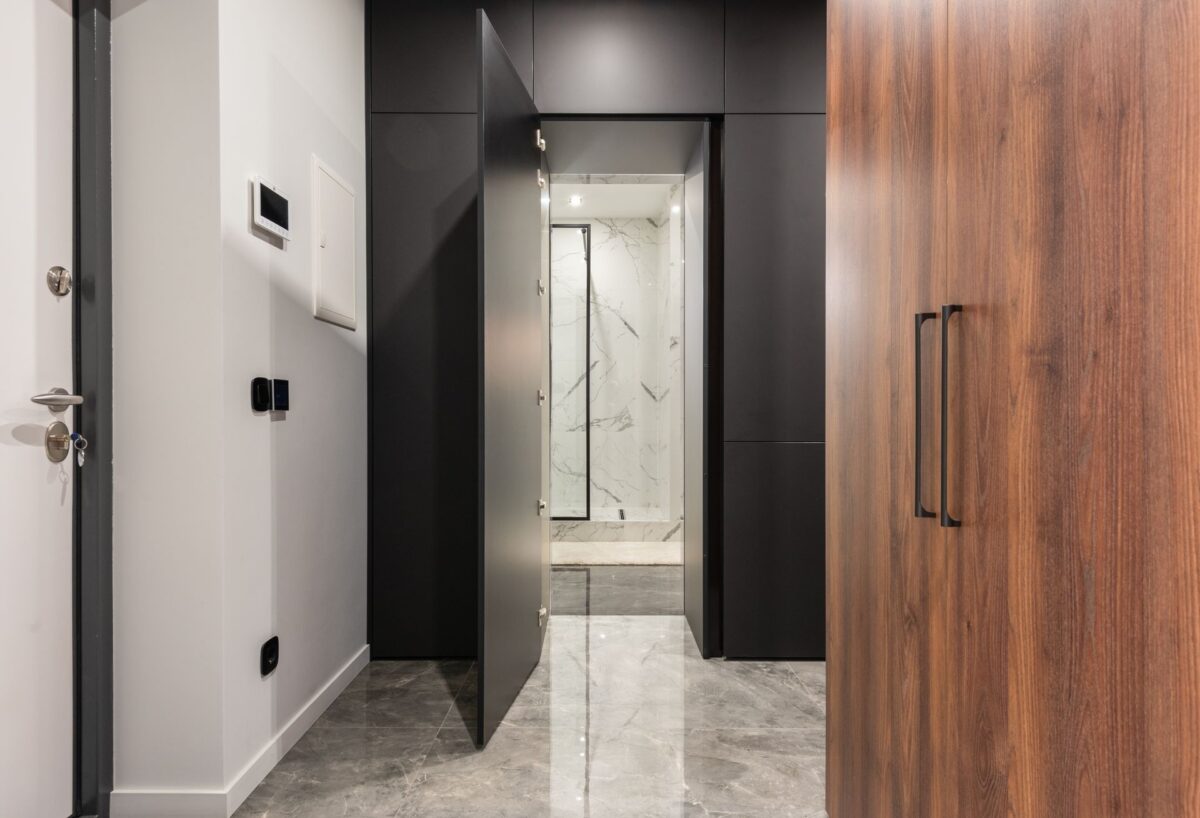
Hidden rooms have long captured the imagination, combining practical design with an element of mystery that continues to appeal to homeowners. Concealed behind bookshelves, wall panels, or integrated cabinetry, these spaces can serve a variety of purposes while blending seamlessly into a home’s overall layout. It’s part of a broader shift in how homeowners think about functional spaces — Promipool.de makes a similar case for the garage, showing how even a prefabricated house’s most utilitarian feature can double as a clever lifestyle statement rather than just a place to park. Beyond their novelty, hidden rooms can improve privacy, make efficient use of available space, and add a distinctive architectural feature without disrupting the interior. Exploring their appeal reveals why these concealed spaces remain an enduring source of inspiration in modern home design.
How Concealed Spaces Change Interior Perception
A hidden room alters how people perceive a home’s layout because part of the building remains out of immediate view. This unexpected relationship between visible and hidden spaces creates a greater sense of depth and complexity within the architecture. Even when the concealed room is relatively small, its presence can make the home feel more distinctive by introducing layers of spatial organization. The experience highlights how perception is shaped not only by what is visible but also by what remains intentionally concealed.
The Relationship Between Privacy and Hidden Rooms
One reason hidden rooms continue to attract interest is their ability to provide privacy without altering a home’s outward appearance. A concealed entrance can separate a workspace, reading room, library, or storage area from the busier parts of the house while maintaining a consistent interior design. Rather than relying on prominent doors or partitions, the hidden entrance becomes part of the surrounding wall or furniture. This approach allows private spaces to exist discreetly within the overall floor plan.
How Hidden Rooms Support Flexible Design
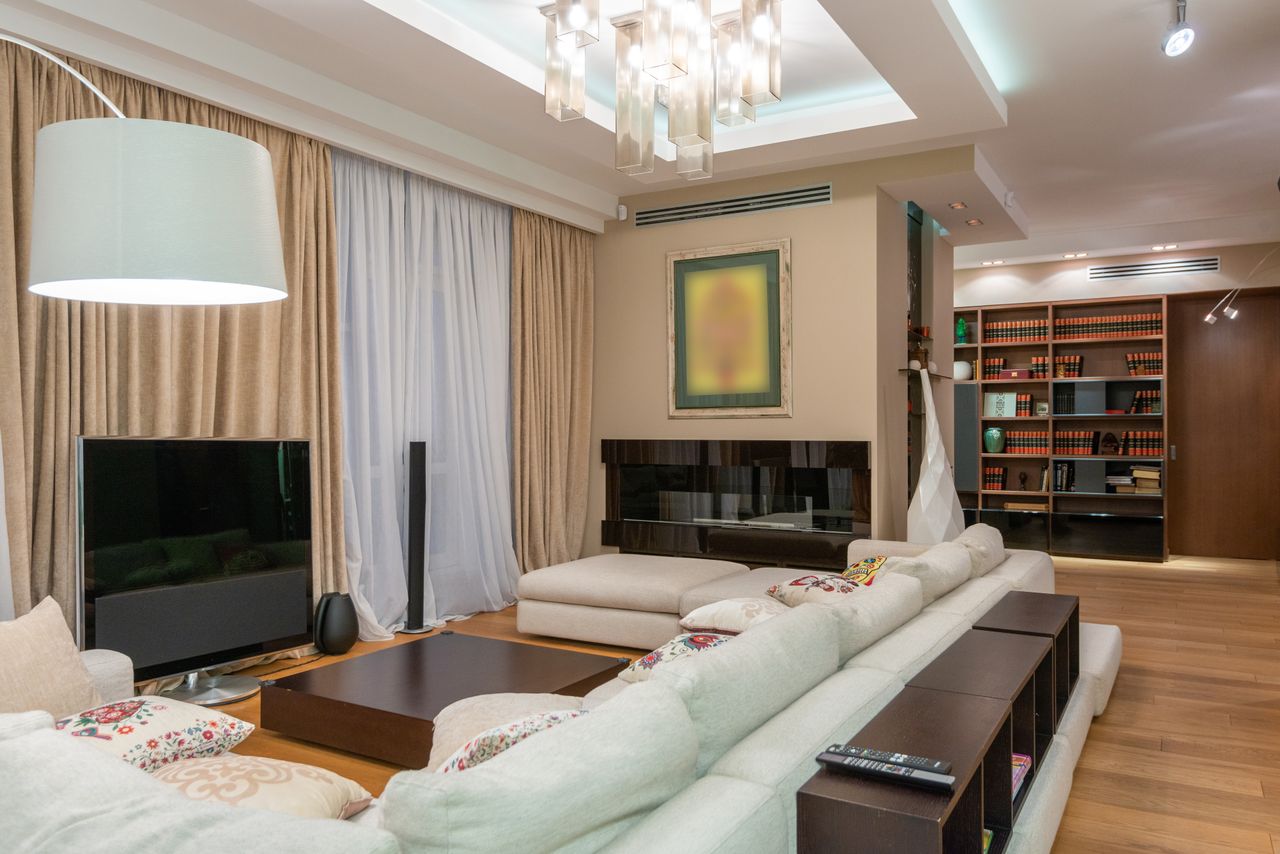
The function of a hidden room can change over time as household needs evolve. Depending on the layout of the home, a concealed space may serve as a study, hobby room, archive, music room, or secure storage area. Because the room remains integrated into the architecture, it can adapt to different purposes without affecting the appearance of adjoining spaces. This flexibility demonstrates that hidden rooms are valued not only for their unusual character but also for their ability to support changing lifestyles.
Why Concealed Entrances Enhance Architectural Interest
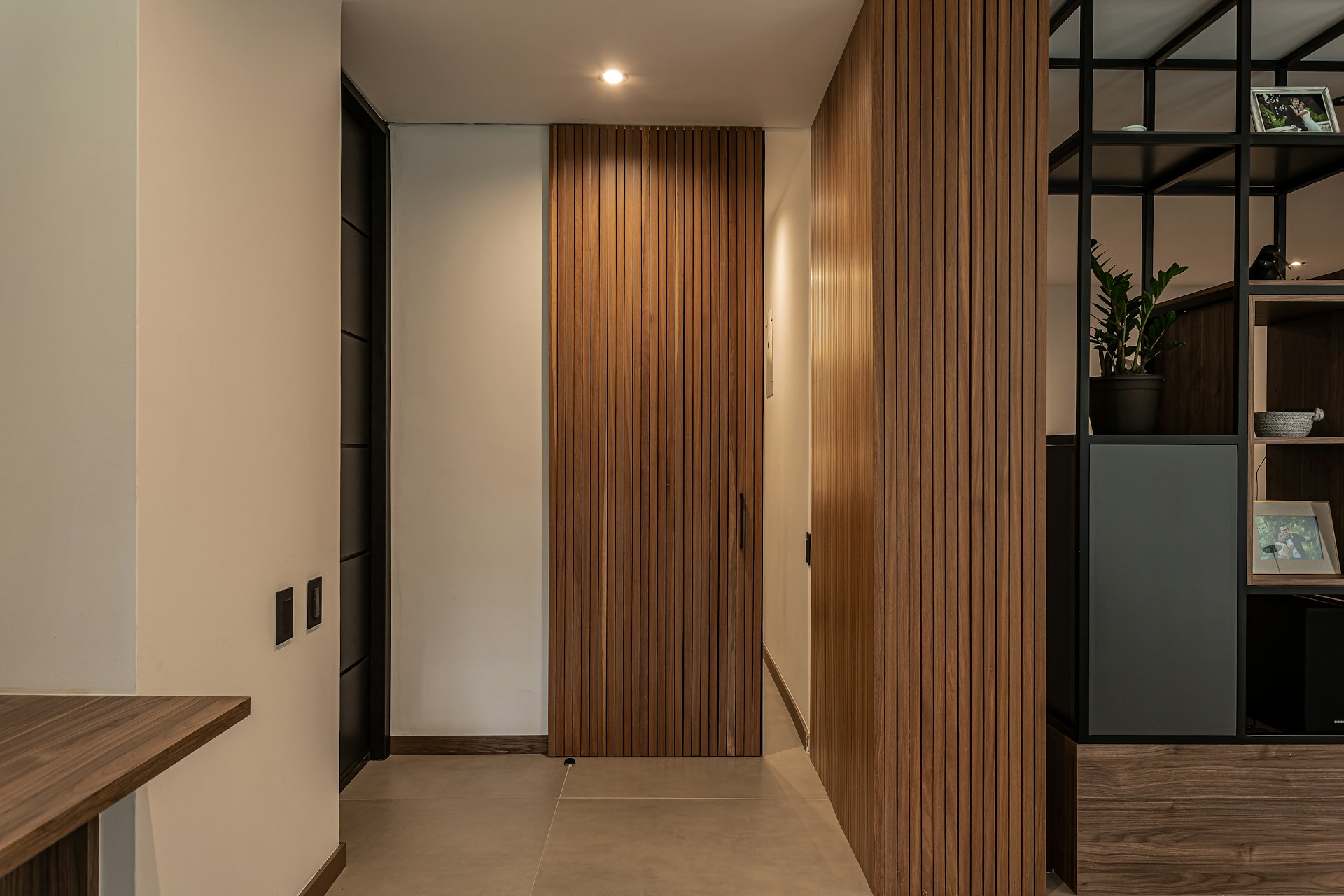
The entrance to a hidden room often becomes one of its most distinctive architectural features. Bookcases, paneled walls, cabinets, or other built-in elements can disguise the doorway while maintaining visual continuity throughout the room. This integration encourages careful attention to proportions, materials, and craftsmanship because the concealed entrance must function effectively without disrupting the surrounding design. As a result, hidden rooms often highlight the creativity involved in combining practical construction with subtle architectural expression.
The Enduring Appeal of Mystery in Residential Design
Part of the fascination with hidden rooms comes from the sense of discovery they create. A concealed space introduces an unexpected dimension to an otherwise familiar home, encouraging curiosity and making the architecture feel more engaging. Unlike decorative features that are immediately visible, hidden rooms reveal themselves only through exploration or deliberate design. This quality gives them a lasting appeal because they transform everyday spaces into environments that invite imagination while remaining fully integrated into practical residential design.
Hidden rooms continue to fascinate homeowners because they combine privacy, flexibility, architectural creativity, and a sense of discovery. Their concealed nature changes the perception of interior space while allowing additional rooms to remain visually integrated with the surrounding design. Whether used for practical purposes or to create a distinctive architectural feature, hidden rooms demonstrate how thoughtful planning can add depth and character to residential interiors. Their enduring popularity reflects a continuing appreciation for homes that balance functionality with imagination and carefully crafted design.…